Why Regular Pest Control Services Save Money Over Time
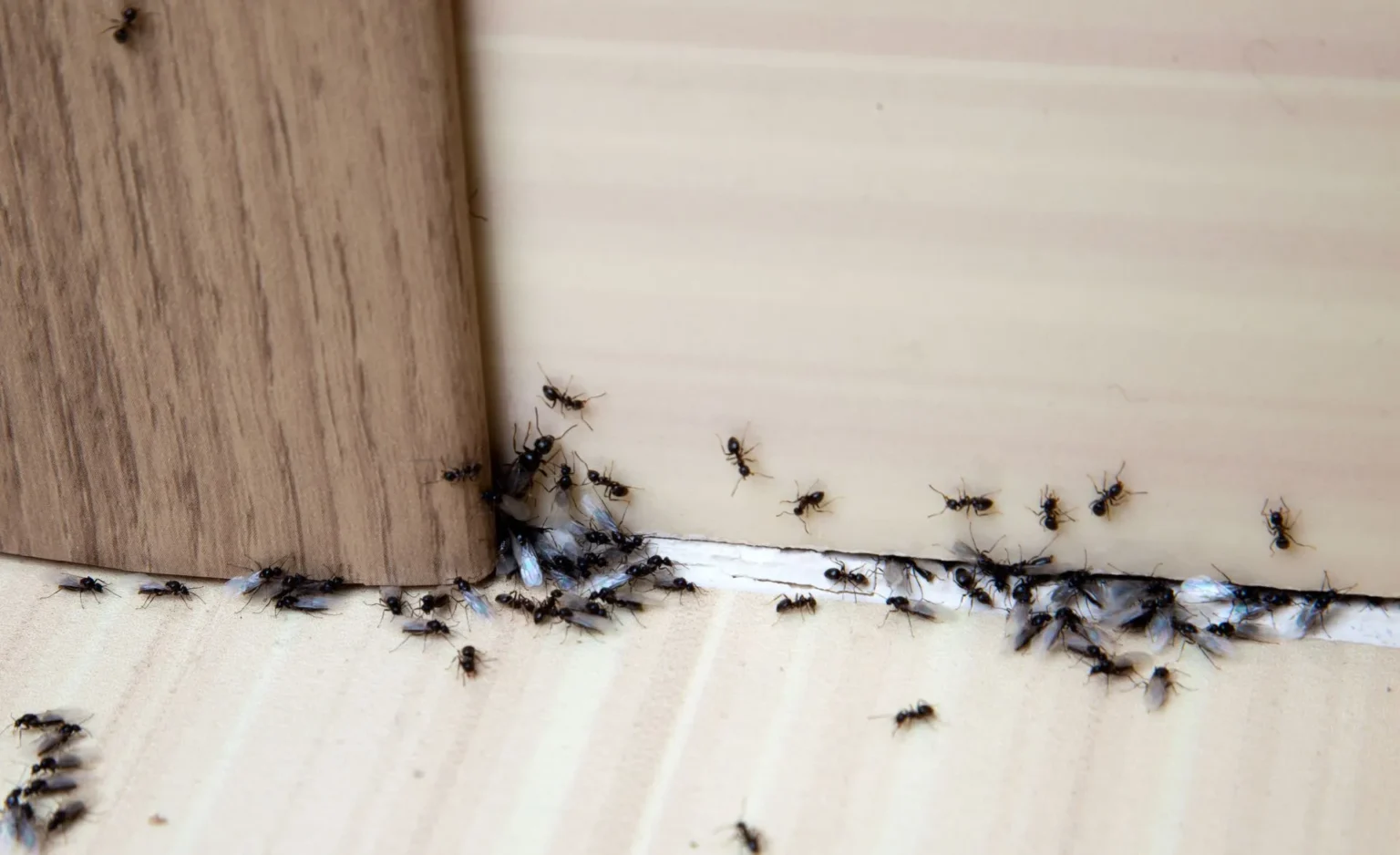

Most people call for pest help when they can see the problem. Ants trail across the kitchen counter, mice scratch in the wall at night, termites turn a windowsill soft, or wasps take over the eaves just as guests are due to arrive. That reaction is understandable, but it is usually the most expensive point to act. By the time pests are obvious, they have often had weeks, months, or even years to multiply, spread, and damage materials that are costly to repair.
Regular Pest Control Services work on a different logic. Instead of waiting for visible activity, they interrupt infestations early, reduce the conditions that attract pests in the first place, and protect the parts of a property that owners rarely inspect closely. When people look only at the invoice for routine visits, they sometimes treat it as an optional expense. In practice, scheduled service is more like maintenance for the hidden systems of a home or business. You may not notice its value every month, but you definitely feel the cost when it is absent.
The savings show up in several places at once. Some are obvious, such as avoiding large treatment bills after a severe infestation. Others are less visible but often more significant, including lower repair costs, less food waste, fewer health-related disruptions, and less risk to a property’s value. Over time, those savings tend to outweigh the price of ongoing service.
Small problems rarely stay small
One of the biggest misconceptions in pest management is that a minor issue can be left alone if it seems manageable. A few roaches seen late at night, an occasional line of ants near the sink, or one mouse in the garage can all feel like annoyances rather than urgent threats. In the field, those signs usually mean the property is supporting a broader pest population than the owner realizes.
Pests exploit time. Roaches breed quickly in warm, humid spaces. Mice can reproduce fast enough that a small population becomes a major infestation within a season. Termites are worse in a different way. They work slowly and quietly, often behind drywall or under flooring, so the damage grows while the warning signs remain subtle. By the time an owner notices blistering paint, warped trim, or hollow-sounding wood, the colony may have been active for a long period.
That delay is expensive. A targeted ant treatment around entry points and moisture sources is usually straightforward. A full infestation that has spread into wall voids, landscaping, and multiple rooms often requires repeated visits, more material, more labor, and more follow-up. The same pattern applies across many pest categories. Early control costs less because the pest population is smaller, the affected area is tighter, and fewer materials have been damaged.
I have seen homeowners spend a modest amount on quarterly service for years, then compare that total to a single emergency job their neighbor needed after neglecting a termite issue. The difference was not close. The emergency treatment alone exceeded several years of preventive visits, and that was before carpentry and paint work entered the picture.
Structural damage is where the real money disappears
When people think about pests, they often picture inconvenience first. The financial danger usually lies in what pests do to structures and stored materials. Wood-destroying insects are the clearest example, but they are not the only one.
Termites can compromise framing, subfloors, trim, and other wood components. Carpenter ants excavate wood to create galleries, especially in damp areas around leaks. Rodents chew insulation, stored belongings, and wiring. That last category deserves special attention because damaged electrical wiring is not just a repair issue, it can become a safety hazard. Even birds nesting in vents or roof cavities can contribute to moisture problems, airflow restriction, and cleanup costs.
Regular Pest Control Services reduce the chance that these problems gain momentum. Routine inspections often catch the conditions that lead to structural damage before a large repair is needed. A technician may notice excessive moisture under a sink, earth-to-wood contact near a deck post, a foundation crack that gives insects access, or gnaw marks that suggest rodent traffic in an attic. Those details matter because fixing a condition early is usually far cheaper than replacing materials after the damage spreads.
Consider a simple comparison. Sealing a few utility penetrations and adding a door sweep might cost a small amount in labor and materials. Replacing contaminated attic insulation after a rodent population has used it for nesting and travel routes can run into the thousands, depending on the size of the home. The prevention step is not glamorous, but it is the better financial decision almost every time.
Emergency treatments cost more than planned maintenance
Urgent pest problems tend to happen at bad moments. A restaurant fails an inspection because of active roaches. A family discovers bed bugs just before holiday visitors arrive. A homeowner sees swarmers near a closing date for a property sale. These situations carry a premium because they require immediate response, specialized treatment, repeat visits, and a faster timeline than normal scheduling allows.
There is also a practical difference between preventive work and crisis work. Preventive visits are designed to keep populations low and entry points managed. Emergency calls often involve locating hidden nesting areas, coordinating sanitation or exclusion work, setting up intensive treatment plans, and confirming the issue is resolved over time. More labor means higher cost.
For businesses, the stakes rise quickly. A pest issue in a commercial kitchen, warehouse, hotel, healthcare facility, or apartment complex can lead to interrupted operations and reputational damage. One restaurant manager once described his regular service fee as the easiest line item in his operating budget because it protected the hardest-earned asset he had, customer trust. He had previously dealt with one roach complaint online that lingered in search results far longer than the treatment itself. The real cost was not the extermination, it was the lost tables that followed.
Planned maintenance is easier to budget for because it is predictable. Emergency service is lumpy, disruptive, and often paired with secondary expenses. If the goal is long-term savings, stability matters.
Pests raise hidden costs inside the home
Not every pest expense appears as a repair invoice. Some costs leak out through everyday waste, repeated purchases, and the time required to manage a recurring problem.
Pantry pests contaminate dry goods. Rodents destroy pet food, birdseed, and stored paper products. Roaches can force people to replace small appliances if the infestation gets into warm motor housings. Fleas can trigger repeat spending on sprays, laundry, pet treatments, and cleaning supplies when the underlying source is not handled correctly. Even persistent ant issues lead many homeowners to buy product after product from a hardware store, often treating the visible trail while leaving the nest and attractant conditions in place.
Those do-it-yourself cycles are more expensive than they look. A few traps here, a couple of aerosol cans there, then a fogger, then another round after two weeks, it adds up. More importantly, DIY work often addresses symptoms without solving the access point, moisture issue, harborage area, or breeding site. When that happens, the household keeps paying in small amounts that feel manageable, but over a year the total can surpass the cost of professional monitoring and treatment.
There is also the value of time. Cleaning out contaminated cabinets, washing linens repeatedly, moving stored items away from walls, or sitting home for multiple unplanned visits all impose a cost, even if it never appears on a bill. Homeowners do not always calculate their own hours, but they should. Time spent chasing a preventable pest problem has value.
Routine service improves the quality of repairs and prevention
Good pest management is not just spraying product. The best providers spend a meaningful part of their visit inspecting, documenting, and advising. That process helps owners make smarter repair decisions before damage expands.
A technician who visits regularly gets to know the property. They notice when mulch has crept too high against the siding, when a crawlspace vent screen is missing, when tree limbs now touch the roofline, or when a new moisture pattern suggests a plumbing issue. That familiarity can be surprisingly valuable. A one-time emergency visit offers a snapshot. Ongoing service builds a history.
That history matters because pest pressure changes with weather, landscaping, renovations, occupancy, and neighboring conditions. Heavy rain can drive ants indoors. A vacant unit in a multi-family building can support hidden roach or rodent activity that eventually spreads. A new garden bed can attract moisture-loving insects close to the foundation. Routine service helps catch these shifts before they become expensive.
The savings come not only from treatment, but from timing. Caulking a gap while it is still a gap is cheap. Replacing trim after water, ants, and fungal decay have worked on it for two seasons is not. A professional eye, applied consistently, often prevents owners from discovering problems at the worst possible stage.
Real estate value and transactions are affected more than people expect
Pest history matters during home sales, refinances, and insurance-related conversations. Visible signs of infestation can raise red flags for buyers. Termite damage and active wood-destroying insect activity are especially sensitive because they speak directly to structural integrity and maintenance habits. Even when the issue is treatable, buyers may ask for credits, delays, further inspections, or repairs before closing.
Sellers who have maintained regular Pest Control Services are in a stronger position. They are more likely to have records showing inspections, treatments, and any corrective recommendations that were addressed. That documentation can support confidence in the property’s condition. It does not erase every concern, but it often shortens the conversation and limits expensive surprises.
For landlords and property managers, the financial angle is even sharper. Pest issues can increase turnover, generate complaints, and create conflict over responsibility. Preventive service across shared structures is often far less expensive than handling repeated unit-by-unit infestations after they have spread through walls, plumbing chases, or attic spaces.
Health-related disruptions have a financial side too
It is wise to be careful with health claims, since pest impacts vary by species, level of exposure, and individual sensitivity. Still, anyone who has worked around infestations knows that pests can affect living conditions in ways that have a practical economic cost.
Cockroaches and rodents contaminate surfaces and food storage areas. Biting pests such as fleas, bed bugs, and mosquitoes can disrupt sleep and routine. Wasps create safety concerns around entryways, decks, and play areas. In workplaces, pest activity can reduce employee comfort and confidence, and in regulated industries it can trigger stricter scrutiny.
The money involved here is often indirect. Families may take time off work to prepare for treatment, deep-clean, or handle inspections. Businesses may lose productive hours during corrective action. Short-term lodging may be needed in some severe cases. Even when those situations are uncommon, they are costly enough that reducing the chance of them has clear value.
The cheapest service is not always the least expensive option
Price shopping is sensible, but pest control has a quality range that owners should take seriously. A bargain service that does little more than a rushed perimeter spray may leave major risks untouched. If inspections are superficial, communication is poor, and follow-up is inconsistent, the lower invoice can become an expensive false economy.
A stronger provider usually offers a combination of inspection, monitoring, treatment suited to the pest pressure, and practical recommendations for exclusion and sanitation. They explain what they found, what they did, and what you should fix. That approach may cost somewhat more than a bare-minimum visit, but it tends to save money because it addresses root causes instead of repeating the same quick treatment month after month.
Here are a few signs that regular service is likely to deliver real value:
- The technician inspects more than the baseboards and asks about recent sightings, moisture, and exterior changes.
- The company provides clear notes and recommendations rather than vague assurances.
- The plan includes follow-up when activity is found, not just a promise to wait until the next routine visit.
- Exclusion and prevention are discussed alongside treatment.
- The service schedule matches the property’s actual risk level, not a one-size-fits-all script.
That last point matters. Not every property needs the same frequency or scope. A detached home on a dry suburban lot may need a different approach than a restaurant, an older duplex, or a house bordering woods and water. The money-saving version of regular service is the one scaled to the actual environment.
When regular service pays off fastest
Some properties see a stronger return on preventive pest work than others. Age, location, construction type, and surrounding conditions all play a role. Homes with crawlspaces, older foundations, nearby vegetation, known moisture issues, or a history of infestation usually benefit quickly. So do multi-unit buildings, where pests move between spaces and one neglected area can become everyone’s problem.
Commercial settings often reach the break-even point even faster because the cost of one visible incident can be outsized. A single failed inspection, guest complaint, or contaminated inventory event can dwarf months of preventive service.
Common situations where regular Pest Control Services usually save money early include:
- Properties with prior termite, rodent, or roach activity.
- Homes or businesses storing food, cardboard, or large amounts of clutter.
- Buildings with frequent door traffic, delivery access, or shared walls.
- Sites near standing water, dense landscaping, or wooded edges.
- Rentals and hospitality properties where complaints affect occupancy and reviews.
Even for lower-risk homes, the value can still be strong if the provider focuses on inspection and prevention rather than simply applying product on a calendar.
Prevention works best when owners participate
Regular service saves the most money when the owner treats it as a partnership. A technician can reduce pressure and spot risks, but they cannot overcome persistent moisture leaks, open food sources, overflowing clutter, or structural gaps that remain unfixed for months.
The encouraging part is that many of the highest-value corrections are not large renovations. Repairing a torn vent screen, adjusting irrigation away from the foundation, improving crawlspace moisture control, trimming vegetation back from siding, and sealing utility gaps are all relatively modest actions compared with the cost of recurring infestations. When those steps are taken early, treatment often becomes easier and https://judahbnoz815.novacrestiq.com/posts/pest-control-services-for-mosquito-reduction-in-outdoor-spaces less frequent.
This is where seasoned judgment matters. Not every recommendation is urgent, and not every sighting justifies a major intervention. Good professionals distinguish between normal seasonal activity and signs of a broader failure in the property envelope. That helps owners spend money where it will have the greatest effect.
The long view is where the savings become obvious
The easiest way to misunderstand pest control costs is to compare one year of preventive service against one year with no visible infestation. In a quiet year, prevention can look unnecessary. The better comparison is between a decade of managed risk and a decade of sporadic reaction.
Over longer periods, most properties experience changing conditions: wetter seasons, nearby construction, maturing landscaping, small leaks, aging seals, and occasional lapses in sanitation or storage habits. Those shifts create opportunities for pests. Regular Pest Control Services are designed to catch those opportunities before they turn into damage, contamination, or expensive emergency work.
That is why owners who stay on a sensible preventive plan often sound calm when neighbors are scrambling with a sudden infestation. They are not paying for drama. They are paying for fewer surprises, lower repair exposure, and a property that stays easier to manage year after year.
Seen that way, routine pest control is not a luxury line item. It is a cost-control strategy. It protects wood, wiring, food, time, reputation, and resale value. Most importantly, it moves spending from crisis response to planned maintenance, which is almost always the cheaper side of the ledger.
Affordable Pest Solutions LLC
Phone number: +19732299547
FAQ About Pest Control Services
How much does pest control charge?
For a standard 1,500-square-foot home, professional pest control charges generally average $100 to $300 for an initial visit, with ongoing monthly services running $40 to $75 per visit and one-time emergency exterminations costing $100 to $600, depending heavily on the specific pest and the severity of the infestation.
What is the hardest pest to get rid of?
Bed bugs are widely considered the hardest household pest to get rid of, closely followed by German cockroaches and subterranean termites.
What is included in a pest control service?
A standard pest control service includes a property inspection, targeted treatments, and prevention advice. It typically covers common pests like ants, spiders, and cockroaches, using sprays, baits, or traps.